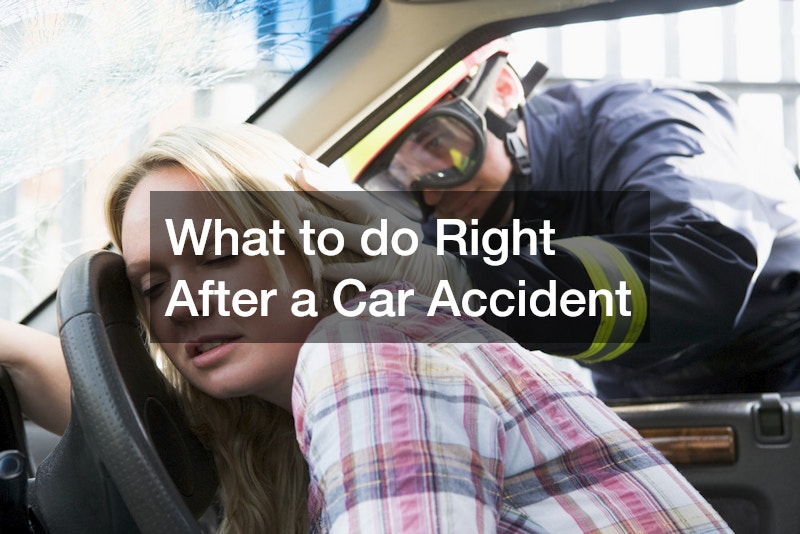
In the aftermath of a car accident, emotions can run high, and confusion can make it challenging to think clearly. However, knowing the steps to take immediately following a car accident is crucial for ensuring safety, compliance with the law, and protection of one’s rights. By having obtaining a car accident lawyer you can make a clear plan for legal action.
1. What should I do immediately after a car accident?
1.1 Ensure Safety
The first and foremost action after a car accident is to ensure your safety and that of the passengers with you. Assess your immediate environment, check for any injuries, and decide whether it’s safe to stay inside your vehicle or advisable to move to a safer location.
If mobility is impaired, and staying within the vehicle poses no immediate threat, remain there to avoid further danger. In the absence of immediate hazards like smoke or fire, keeping everyone calm and controlled within the vehicle can prevent additional injuries. It is crucial to make these assessments quickly and rationally while prioritizing safety over haste.
Once you have ensured your immediate safety, the next step involves helping others if you are uninjured and able to do so safely. Assess the conditions of other passengers and drivers involved in the accident, offering assistance only if it doesn’t compromise your safety. Providing basic first aid, if you’re trained and capable, can be beneficial while waiting for emergency personnel. If moving passengers might exacerbate injuries, instruct others to call for emergency medical aid instead. In situations where your vehicle stops in an unsafe location, alerting oncoming traffic through flashing hazard lights is vital to preventing further accidents.
1.2 Contact Emergency Services
Contacting emergency services should invariably be amongst the top responses after ensuring immediate safety. Whether or not the accident appears minor, calling the authorities is a critical step. Doing so not only facilitates medical help if needed but also ensures that the accident scene is legally documented. Police presence helps in maintaining order and in needed, recording the incident accurately, which is invaluable for insurance purposes later on. By involving law enforcement, you ensure compliance with local regulations and can avoid legal complications down the road.
In certain jurisdictions, notifying the police is mandatory if the accident involves injuries, fatalities, or significant property damage. Cooperating with responding officers involves providing an honest account of the incident without fabricating or withholding details. Clear communication allows for effective assistance and accurate documentation of all involved. It’s important to understand that while emotions might be heightened, maintaining composure while interacting with authorities can impact how smoothly the process unfolds post-accident. When officers arrive, have your driver’s license, car registration, and proof of insurance ready to expedite the documentation process.
1.3 Secure the Scene
Securing the accident scene is a crucial step that helps avert secondary accidents while preserving essential evidence for insurance and legal processes. Initiate the securing process by turning on your vehicle’s hazard lights and using available cones or reflective triangles if you have them. These serve as immediate visual warnings to approaching motorists, helping them slow down or detour as necessary. Make sure to position these indicators at a safe distance from the accident site to provide ample warning to others. Creating a visible safety perimeter prevents the risk of additional vehicles being involved in the accident scenario.
Taking additional steps to secure the scene involves being mindful of traffic flow and environment-specific considerations. On busy highways, keeping a notable distance from your vehicle, especially if it’s obstructing lanes, minimizes personal danger from ongoing traffic. In urban settings, moving vehicles to the side of the road, if possible and if it’s clear to do so, can help ease local congestion. Additionally, knowing and applying weather-appropriate securing tactics – such as using extra caution during rain or snow – further ensures the safety of all parties. The overarching goal is maintaining a controlled environment until professional help arrives.
2. How do I document the accident?
2.1 Take Photographs
Documenting the accident through photographs is an invaluable asset in constructing an accurate visual account of occurrences. Make strategic use of your camera or smartphone to capture the full extent of vehicle damages, road conditions, and environmental factors that might have contributed to the accident. Aim to take multiple photos from different angles, ensuring coverage includes close-up shots of damage and wider-scale images, contextualizing the accident site. The photos should represent both the immediate impact point and surrounding entities like traffic signals or congestion, providing context for the accident dynamics. Accuracy ensures resourceful leverage during insurance assessments.
Timing remains pertinent in photography, advocating for immediate documentation post-accident once safety is established. The freshness of captured evidence could corroborate time-specific conditions reflecting light, visibility, and potential hazard deviations if alleged later in disputes. Luckily, modern smartphones hold date stamp functionalities, allowing instantaneous documentation recording for future reference. As events fade from memory over time, these visuals offer definitive clarity that is vital when recounting detail specifics with precision. This not only supports insurance claims but creates an enduring validity chain should legalities arise.
2.2 Get Witness Statements
Witness statements bring external, unbiased perspectives that can substantiate claims during insurance and legal evaluations. Engaging witnesses immediately after the accident to provide their account is invaluable. Make it a point to collect personal details, including names and contact numbers, from those who observed the event transpire firsthand. Witness accounts can provide third-party verification of accident dynamics, reinforcing your narrative and offering objective insights into otherwise disputed accounts. Their testimonies offer plausible reconstructive tools when objective clarity becomes non-negotiable during investigations.
It is wise to ascertain witness willingness to contribute statements, suggesting they stay until police arrive or for them to provide written accounts if convenient. Capturing different witness perspectives helps create a broad-based understanding of event progression. Avoid coaching or influencing witness responses to maintain the integrity of the account’s neutrality. Witness testimonies aid in disproving false claims that may arise from critiques and possess substantive value when sensitive disputes escalate towards legal domains. Their unbiased perspectives align correctly with your gathered narrative for a comprehensive evaluation spectrum.
2.3 Write a Personal Report
Creating a personal accident report immediately afterward ensures thorough detail preservation and hones the foundation for later reference assessments. Start by jotting down initial thoughts and observations surrounding the accident, reflecting on your sensory experiences during and just after impact. Key inclusions in this personal document are the specific location, time, weather conditions, and any pre-existing road hazards or obstructions noted. Detailed observations on your speed, visibility factors, traffic conditions, and telemetry recollections enhance report completeness. Objective communication of your firsthand experience is crucial to its credibility validity.
Building your report’s timeline ensures a logical sequence articulation of the events, aiding recall during later disputes or legal engagements. Proceed step-by-step through the moments before, during, and after the accident, elaborating on preventative measures taken, like braking or swerving responses. Distinguish between actions taken post-accident in securing scenes, administrating aid to yourself or passengers, and initiating emergency service communication. This methodical detailing assists in contextualizing your immediate and constructive responses, aligning them with responsive best-case practice methodologies. Documentation yields clarity during complex multi-variable assessments.